


Welcome to The Ultimate Survival Companion! Are you considering switching to solar power? If so, you’re in the right place! In this article, we’ll discuss the various incentives available for solar power in the United States, the United Kingdom, and Canada. We’ll also provide an overview of the Federal Solar Tax Credit, which is the most significant incentive offered by the US government. Additionally, we’ll cover other incentives such as state and local tax credits, net metering, rebates, grants, and sales tax exemptions. Finally, we’ll provide some tips on how to determine your eligibility for these incentives and how to consult with a professional tax advisor to make the most of them. By the end of this article, you’ll have a better understanding of the benefits of solar power and how you can take advantage of the incentives available to you. Let’s get started!

The Federal Government offers incentives to encourage the adoption of solar power. The most significant incentive is the Federal Solar Tax Credit. This tax credit is a dollar-for-dollar reduction in the amount of income tax you would otherwise owe. It can be claimed on federal income taxes for a percentage of the cost of a solar PV system paid for by the taxpayer. The installation of the system must be complete during the tax year. Solar PV systems installed in 2020 and 2021 are eligible for a 26% tax credit. In August 2022, Congress passed an extension of the ITC, raising it to 30% for the installation of which was between 2022-2032. (Systems installed on or before December 31, 2019 were also eligible for a 30% tax credit.) It will decrease to 26% for systems installed in 2033 and to 22% for systems installed in 2034. The tax credit expires starting in 2035 unless Congress renews it. There is no maximum amount that can be claimed .
It is important to note that this is a general overview of the Federal Solar Tax Credit. or more detailed information, please refer to the Department of Energy’s Homeowner’s Guide to the Federal Tax Credit for Solar Photovoltaics . This guide provides an overview of the federal investment tax credit for residential solar photovoltaics (PV). It does not constitute professional tax advice or other professional financial guidance and may change based on additional guidance from the Treasury Department. Please see their published Fact Sheet for additional information .
If you are considering switching to solar power, it is recommended that you consult with a professional tax advisor to determine your eligibility for the Federal Solar Tax Credit and other incentives that may be available to you .
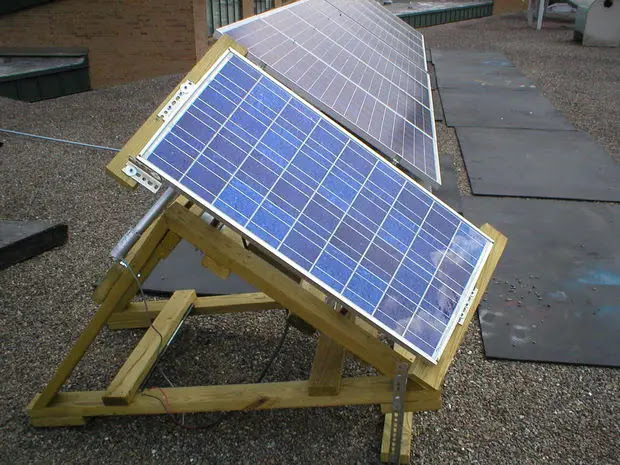
In addition to the Federal Solar Tax Credit, there are other incentives available for switching to solar power. These incentives vary by state and utility company. Some of the most common incentives include:
State and Local Tax Credits: Many states offer tax credits for installing solar panels. These credits can be used in addition to the Federal Solar Tax Credit .
Net Metering: Net metering is a billing arrangement that allows solar panel owners to receive credit for excess electricity they generate and send back to the grid. This credit can be used to offset the cost of electricity they consume when their solar panels are not generating enough electricity .
Rebates: Some utility companies offer rebates to customers who install solar panels. These rebates can help offset the upfront cost of installing solar panels .
Grants: Some states offer grants to homeowners who install solar panels. These grants can help offset the upfront cost of installing solar panels .
Sales Tax Exemptions: Some states offer sales tax exemptions for solar panel installations. This can help reduce the overall cost of installing solar panels 4.
It is important to note that these incentives vary by state and utility company. It is recommended that you consult with a professional tax advisor to determine which incentives are available to you .


In the UK, there are two grants that may help you buy solar panels for your home: the Energy Company Obligation scheme (ECO4) and the Home Upgrade Grant. ECO4 can provide up to £14,000 towards energy-saving initiatives for your home if you qualify..
The Canadian government has also announced a grant for homeowners to make energy-efficient retrofits to their primary residences. Homeowners will be able to receive grants of up to $5,000 to make energy-efficient retrofits to their primary residences, and up to $600 to help with the cost of home energy evaluations .
I hope this information helps!
The Federal Government offers incentives to encourage the adoption of solar power. The most significant incentive is the Federal Solar Tax Credit. This tax credit is a dollar-for-dollar reduction in the amount of income tax you would otherwise owe. It can be claimed on federal income taxes for a percentage of the cost of a solar PV system paid for by the taxpayer. The installation of the system must be complete during the tax year. Solar PV systems installed in 2020 and 2021 are eligible for a 26% tax credit. In August 2022, Congress passed an extension of the ITC, raising it to 30% for the installation of which was between 2022-2032. (Systems installed on or before December 31, 2019 were also eligible for a 30% tax credit.) It will decrease to 26% for systems installed in 2033 and to 22% for systems installed in 2034. The tax credit expires starting in 2035 unless Congress renews it. There is no maximum amount that can be claimed .
It is important to note that this is a general overview of the Federal Solar Tax Credit. or more detailed information, please refer to the Department of Energy’s Homeowner’s Guide to the Federal Tax Credit for Solar Photovoltaics . This guide provides an overview of the federal investment tax credit for residential solar photovoltaics (PV). It does not constitute professional tax advice or other professional financial guidance and may change based on additional guidance from the Treasury Department. Please see their published Fact Sheet for additional information .
If you are considering switching to solar power, it is recommended that you consult with a professional tax advisor to determine your eligibility for the Federal Solar Tax Credit and other incentives that may be available to you .
In addition to the Federal Solar Tax Credit, there are other incentives available for switching to solar power. These incentives vary by state and utility company. Some of the most common incentives include:
State and Local Tax Credits: Many states offer tax credits for installing solar panels. These credits can be used in addition to the Federal Solar Tax Credit .
Net Metering: Net metering is a billing arrangement that allows solar panel owners to receive credit for excess electricity they generate and send back to the grid. This credit can be used to offset the cost of electricity they consume when their solar panels are not generating enough electricity .
Rebates: Some utility companies offer rebates to customers who install solar panels. These rebates can help offset the upfront cost of installing solar panels .
Grants: Some states offer grants to homeowners who install solar panels. These grants can help offset the upfront cost of installing solar panels .
Sales Tax Exemptions: Some states offer sales tax exemptions for solar panel installations. This can help reduce the overall cost of installing solar panels 4.
It is important to note that these incentives vary by state and utility company. It is recommended that you consult with a professional tax advisor to determine which incentives are available to you .
Grants for installation: There are several grants available for solar power. The U.S. Department of Energy (DOE) Solar Energy Technologies Office (SETO) supports funding opportunities on photovoltaics, concentrating solar-thermal power, systems integration, technology to market, and soft costs projects. These funding opportunities encourage collaborative partnerships among industry, universities, national laboratories, federal, state, and local governments and non-government agencies and advocacy groups. Solicitations may include financial or technical assistance .
In the UK, there are two grants that may help you buy solar panels for your home: the Energy Company Obligation scheme (ECO4) and the Home Upgrade Grant. ECO4 can provide up to £14,000 towards energy-saving initiatives for your home if you qualify..
The Canadian government has also announced a grant for homeowners to make energy-efficient retrofits to their primary residences. Homeowners will be able to receive grants of up to $5,000 to make energy-efficient retrofits to their primary residences, and up to $600 to help with the cost of home energy evaluations .
I hope this information helps!

