Welcome!

We are The Ultimate Survival Companion and our mission is to provide our readers with the most comprehensive and up-to-date information on survival, everyday carry, prepping, and other skills for emergency situations. We aim to empower our readers with the knowledge and tools they need to be prepared for any situation that may arise. Our goal is to create a community of like-minded individuals who share a passion for self-reliance and preparedness
Join Our Newsletter for exclusive content, updates, offers, and a free PDF of the first chapter of the book! Enter your name and email below and click subscribe. It’s that easy!
Showing posts with label Nutrition. Show all posts

Tuesday, August 15, 2023

Top 12 Edible North American Plants That Could Be In Your Yard Right Now!

 Do you love nature and food? If so, you might be interested in learning how to forage for edible plants in your backyard. Foraging is the practice of finding and harvesting wild food, such as fruits, nuts, mushrooms, and greens. It can be a fun and rewarding way to connect with nature, save money, and enjoy some delicious and nutritious food. However, foraging also requires some knowledge and skills, as not all plants are edible and some may even be poisonous. That’s why we have prepared this list of 12 common and easy to identify edible plants that you can find in North America. These plants are not only safe to eat, but also have various health benefits and culinary uses. So, grab your basket and let’s go foraging! 


Here are some of the most common and easy to identify plants that you can forage for food:

  1. Dandelion (Taraxacum officinale): You can eat the leaves, flowers, and roots of this plant. They are high in vitamins A, C, and K, and have a slightly bitter taste. You can add them to salads, soups, or teas1.

  2. Lambsquarters (Chenopodium album): This plant has triangular leaves that are green on top and white underneath. You can eat the young leaves and stems raw or cooked. They are high in protein, calcium, iron, and vitamin C, and have a spinach-like flavor1.

  3. Plantain (Plantago major): This plant has broad, oval leaves with parallel veins. You can eat the leaves raw or cooked. They are high in fiber, potassium, and vitamin A, and have a mild flavor1.

  4. Clover (Trifolium spp.): This plant has three-parted leaves and round flower heads that are usually white or pink. You can eat the leaves and flowers raw or cooked. They are high in protein, calcium, iron, and vitamin C, and have a sweet and sour taste1. 


  5. Wild Onion (Allium spp.): This plant has grass-like leaves and a bulb that smells like onion. You can eat the leaves and bulbs raw or cooked. They are high in sulfur compounds, vitamin C, and antioxidants, and have an onion-like flavor12. 

  6. Wild Strawberry (Fragaria virginiana): This plant has three-parted leaves with toothed edges and white flowers with five petals. You can eat the red berries raw or cooked. They are high in vitamin C, manganese, and antioxidants, and have a sweet and tangy flavor12. 

  7. Cattail (Typha latifolia): This plant has long, flat leaves and brown flower spikes that look like sausages. You can eat the young shoots, roots, and flower heads raw or cooked. They are high in starch, protein, and vitamin K, and have a mild and nutty flavor12. 

  8. Milkweed (Asclepias syriaca): This plant has opposite leaves that are oval and hairy, and pink or purple flowers that form in clusters. You can eat the young shoots, leaves, flower buds, and pods cooked. They are high in vitamin C, calcium, iron, and magnesium, and have a slightly bitter taste12. Caution: Milkweed should be boiled in several changes of water to remove the toxins2.  

  9. Burdock (Arctium minus): This plant has large, heart-shaped leaves that are hairy on the underside, and purple flowers that form burrs. You can eat the young roots and stems cooked. They are high in fiber, potassium, magnesium, and vitamin B6, and have a sweet and earthy flavor12.  

  10. Elderberry (Sambucus Canadensis): This plant has opposite leaves that are compound with five to nine leaflets each, and white flowers that form flat-topped clusters. You can eat the dark purple berries cooked or made into a jam1. They are high in vitamin C, antioxidants, and anti-inflammatory compounds3. Caution: The rest of the plant is toxic3. 

  11. Wild Rose (Rosa spp.): This plant has alternate leaves that are compound with five to nine leaflets each, and pink or white flowers with five petals each. You can eat the red fruits called rose hips raw or cooked1. They are high in vitamin C, antioxidants, and anti-inflammatory compounds3. 

  12. Nettle (Urtica dioica): This plant has opposite leaves that are oval and toothed, and tiny green flowers that form in clusters. You can eat the young leaves cooked1. They are high in protein, iron, calcium, magnesium, vitamin A, C ,and K3. Caution: The plant has stinging hairs that can cause skin irritation3. 


We hope you enjoyed this list of 12 edible plants that you can forage for food in your backyard. These plants are just a few examples of the many wild edibles that nature has to offer. By learning how to identify and use them, you can enrich your diet, your health, and your appreciation for nature. However, remember to always be careful when foraging for food, as some plants may have poisonous lookalikes or parts. Make sure you know what you are picking, and consult a reliable guide or expert if you are unsure. Also, be respectful of the environment and only harvest what you need, leaving some for the wildlife and other foragers. Happy foraging! 😊

Friday, August 11, 2023

Top 10 dry food essentials to prepare TODAY!

Dry food storage is a great way to prepare for emergencies, save money, and reduce food waste. Dry foods are foods that have low moisture and oil content, which makes them less prone to spoilage and insect infestation. They can last for months or even years if stored properly in airtight containers in a cool, dark, and dry place.


There are many types of dry foods that you can store, but some are more nutritious, versatile, and easy to use than others. Here is a top 10 list of the best dry storage foods to prepare first, based on their shelf life, nutritional value, and ease of preparation:


  1. Wheat berries: Wheat berries are whole wheat kernels that can be ground into flour or cooked as a cereal. They are rich in protein, fiber, iron, and B vitamins. They can last for up to 30 years if stored in sealed metal or plastic containers. You can use wheat berries to make bread, pancakes, muffins, cookies, and other baked goods.


  1. Rice: Rice is a staple food for many cultures and cuisines. It is a good source of carbohydrates, energy, and some minerals. It can last for up to 25 years if stored in sealed metal or plastic containers. You can use rice to make dishes like fried rice, pilaf, risotto, sushi, and rice pudding.


  1. Beans: Beans are legumes that come in many varieties, such as black beans, kidney beans, pinto beans, chickpeas, lentils, and split peas. They are high in protein, fiber, iron, folate, and antioxidants. They can last for up to 10 years if stored in sealed metal or plastic containers. You can use beans to make soups, stews, salads, dips, burgers, and hummus.


  1. Oats: Oats are grains that can be rolled, steel-cut, or instant. They are rich in fiber, protein, magnesium, and beta-glucan (a type of soluble fiber that lowers cholesterol). They can last for up to 5 years if stored in sealed metal or plastic containers. You can use oats to make oatmeal, granola bars, cookies, muffins, and bread.


  1. Pasta: Pasta is a type of noodle made from wheat flour and water (or sometimes eggs). It is a good source of carbohydrates and energy. It can last for up to 5 years if stored in sealed metal or plastic containers. You can use pasta to make dishes like spaghetti, macaroni and cheese, lasagna, and pasta salad.


  1. Powdered milk: Powdered milk is milk that has been dehydrated and turned into a powder. It is a good source of calcium, protein, vitamin D, and vitamin A. It can last for up to 5 years if stored in sealed metal or plastic containers. You can use powdered milk to make drinks like hot chocolate or coffee creamer or add it to recipes that call for milk.


  1. Honey: Honey is a natural sweetener made by bees from the nectar of flowers. It is rich in antioxidants and has antibacterial and antifungal properties. It can last indefinitely if stored in airtight glass jars. You can use honey to sweeten tea or coffee or add it to baked goods or sauces, you can even make a variety of alcohol through fermentation and distillation.


  1. Salt: Salt is a mineral that enhances the flavor of food and preserves it from spoilage. It also provides sodium and iodine (if iodized) which are essential for the body’s functions. It can last indefinitely if stored in airtight glass jars. You can use salt to season food or pickle vegetables or meats.


  1. Sugar: Sugar is a sweetener that comes in different forms such as white sugar, brown sugar, raw sugar, or powdered sugar. It provides energy and calories but has no other nutritional value. It can last indefinitely if stored in airtight glass jars. You can use sugar to sweeten food or drinks or add it to baked goods or jams.


  1. Spices: Spices are dried herbs or seeds that add flavor and aroma to food. They also have some health benefits such as anti-inflammatory and antioxidant effects. They can last for up to 4 years if stored in airtight glass jars. You can use spices to make dishes like curry, chili, cinnamon rolls, and apple pie.


These are some of the best dry storage foods to prepare for your pantry. By having these foods on hand, you can ensure that you have enough food supply for any situation and enjoy delicious meals at any time. Keep an eye out for future recipes using these ingredients, and be sure to follow our social media and join our newsletter to stay Informed on all of your prepping and survival needs


Saturday, August 5, 2023

Food Preservation Methods: A Beginner's Guide

 Food preservation is an essential part of life, especially when you live in areas where there is no access to electricity or refrigeration facilities. Without proper food preservation techniques, food can spoil quickly and become unsafe to eat. This can lead to foodborne illnesses and other health problems.


In this article, we will discuss five ways to preserve food without electricity that are easy to implement and require minimal resources. These methods include freezing, canning, dehydrating, salt preserving, and vacuum packing.

Freezing is one of the most common methods used to preserve food without electricity. It helps to preserve the nutritional value of the food and is an easy method that requires minimal resources. You can freeze almost any type of food. However, freezing requires a constant supply of ice or snow and is not suitable for all types of foods.

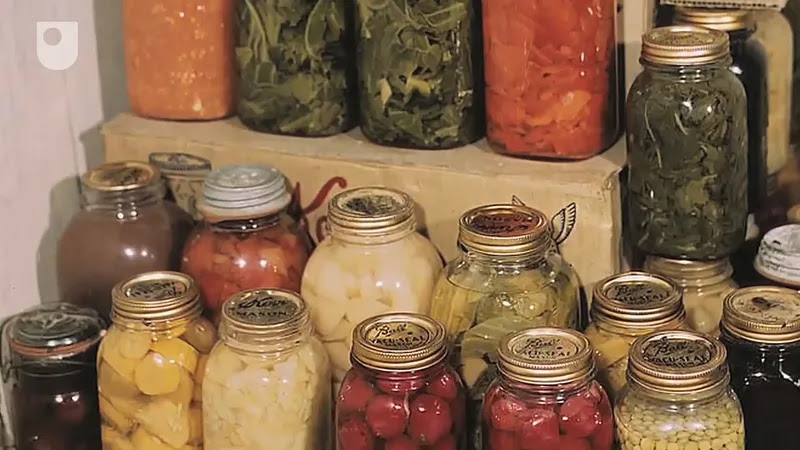
Canning is another popular method used to preserve food without electricity. Canned foods have a long shelf life and can be stored at room temperature. Canning helps to preserve the nutritional value of the food. However, canning requires specialized equipment and is time-consuming.

Dehydrating is a simple method used to preserve fruits, vegetables, and meats. Dehydrated foods are lightweight and easy to store. They have a long shelf life and help to preserve the nutritional value of the food. However, dehydrating requires specialized equipment and is time-consuming.

Salt preserving is an ancient method used to preserve meats, fish, and vegetables. Salt preserved foods have a long shelf life and are easy to store. Salt preserving helps to enhance the flavor of the food. However, salt preserved foods are high in sodium and require a constant supply of salt.

Vacuum packing is another popular method used to preserve food without electricity. Vacuum packed foods have a long shelf life and are easy to store. Vacuum packing helps to preserve the nutritional value of the food. However, vacuum packing requires specialized equipment and is not suitable for all types of foods.

In conclusion, there are many ways to preserve food without electricity that are easy to implement and require minimal resources. By following the tips provided in this article, you can ensure that your food is safe to eat and retains its nutritional value.


  • IV. Dehydrating: Dehydrating is a simple method used to preserve fruits, vegetables, and meats. It involves removing the water content from the food by exposing it to low heat over an extended period of time. This process helps to preserve the nutritional value of the food while also making it lightweight and easy to store. However, dehydrating requires specialized equipment and is time-consuming and requires some skill. You need to follow strict safety guidelines when dehydrating food. To ensure that your dehydrated foods last longer, you should use high-quality dehydrators or ovens, slice your fruits and vegetables evenly, and store your dehydrated foods in airtight containers.


  • V. Salt Preserved: Salt preserving is an ancient method used to preserve meats, fish, and vegetables. It involves covering the food with salt to draw out moisture and prevent bacterial growth. Salt preserved foods have a long shelf life and are easy to store. However, they are high in sodium and require a constant supply of salt. Salt preserved foods are not suitable for all types of foods. To ensure that your salt preserved foods last longer, you should use high-quality salt, follow the instructions carefully, and store your salt preserved foods in a cool, dry place.


  • VI. Vacuum Packed: Vacuum packing is another popular method used to preserve food without electricity. It involves removing the air from the packaging to prevent bacterial growth and spoilage. Vacuum packed foods have a long shelf life and are easy to store. However, vacuum packing requires specialized equipment and is not suitable for all types of foods. You need to follow strict safety guidelines when vacuum packing food. To ensure that your vacuum packed foods last longer, you should use high-quality vacuum bags or containers, follow the instructions carefully, and store your vacuum packed foods in a cool, dry place.


In conclusion, there are many ways to preserve food without electricity that are easy to implement and require minimal resources. Freezing, canning, dehydrating, salt preserving, and vacuum packing are all effective methods that can help you preserve your food for longer periods. By following the tips provided in your text, you can ensure that your food is safe to eat and retains its nutritional value.

We hope that this article has been informative and helpful. If you have any questions or comments, please feel free to leave them below. Also, we would love for you to check out our new webpage and follow us on social media for more tips and tricks on food preservation and everything survival related.


Featured

Easy Banana Trees for Gardening Beginners.

  Easy Banana Trees for Gardening Beginners. Introduction Welcome, Gardeners, Preppers, and Homesteaders. Isn’t it amazing how gardening can...